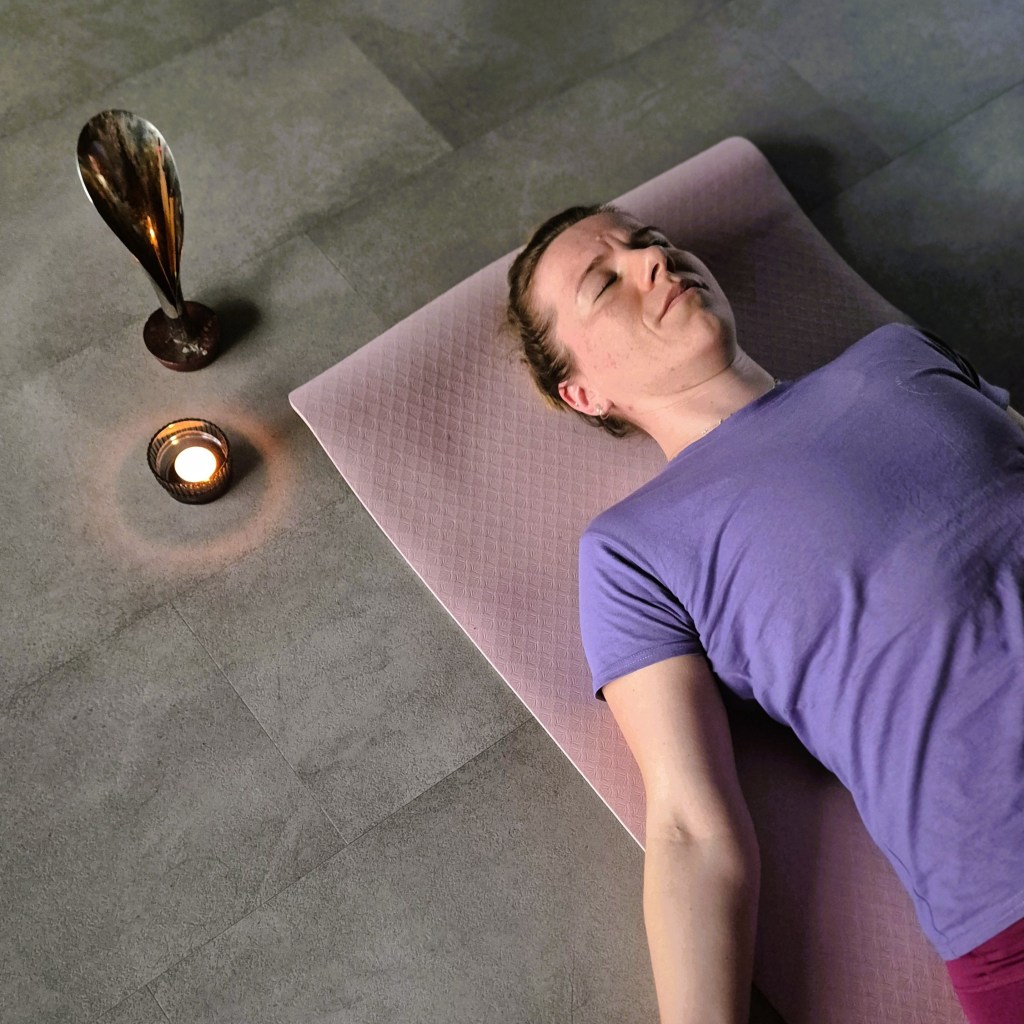
How meditation help you slow down, become more present and reconnect with yourself.
Imagine that your mother is reading a book to you as you lie in bed. She asks you to close your eyes and listen. As she describes a place, a person or an animal, your imagination takes over, painting vivid pictures in your mind. Your body slowly relaxes, your thoughts soften and, before you know it, you drift into sleep. This is exactly how I feel during guided meditation: someone guides me with their voice and I simply listen, letting my awareness follow their words. My imagination takes me on a journey and my body responds as I gradually enter a more peaceful state. Thoughts may still arise, like a restless monkey mind jumping from one idea to another, but the key is to gently bring my attention back to the present moment.
Meditation is not something to be afraid of. It is simply a way to shift your focus and create space for your mind and body to enter a different state. Whether guided or silent, with music or without, meditation can become a powerful practice for self-care, awareness and mental clarity. So in its simplest form, meditation is a practice that helps calm the mind, improve focus and bring awareness to the present moment. It is often misunderstood as something complicated or difficult, but at its core, meditation is simply a way to train the mind, just as exercise trains the body. And perhaps that is exactly why it can feel so challenging at first. We are used to training the body: pushing, strengthening, stretching and improving, but sitting quietly with our own thoughts can feel unfamiliar. Because in the middle of our fast-paced, constantly buzzing lives, we often long for just one thing: a little more peace. Not the kind that comes from finishing all the tasks on your to-do list (though that’s nice too) but the deep, steady kind: the kind that makes you feel more present, more grounded and more connected to yourself. That is where meditation comes in.
Some people might think that meditation is a kind of escape from life, but perhaps it is actually the opposite. Meditation is a way of meeting life more fully, just as it is, with all its messiness, beauty and unpredictability. It is a simple yet profound practice of sitting with yourself, observing what is going on inside and learning to be with it, rather than constantly running from it. Some people think they are “bad” at meditation because their minds will not stop racing when they sit still. But here is the truth: the mind is designed to think. The aim of meditation is not to turn thinking off, but to notice thoughts, let them come and go, and gently bring your attention back to the present moment, again and again. So at its core, meditation is a form of mindfulness: the art of paying attention on purpose, with openness and without judgment. This might mean focusing on your breath, tuning into the sensations in your body or simply observing the sounds around you. Whatever the focus, it is a way to anchor yourself in the here and now. And perhaps that is where inner peace begins to appear: not in some faraway place, but in the moment you choose to come home to yourself.
Why meditate?
People come to meditation for all sorts of reasons. Some want to reduce stress and anxiety, others want to improve focus or emotional regulation and many are simply looking for a moment of stillness in a world that never seems to stop. Over time, a regular meditation practice may support stress regulation, emotional well-being, attention and resilience. Research also suggests that consistent meditation can influence the way the brain processes attention, emotions and stress. But meditation is not magic and it does not mean that difficult thoughts or emotions suddenly disappear. Instead, it can help us develop a different relationship with what we experience. And you know what the best part is? You do not need to dedicate hours of your day. Even a few minutes of regular practice can make a meaningful difference over time. But beyond the benefits that can be measured and studied, meditation also offers something more subtle: a sense of coming home and a deeper connection to who you are underneath all the noise, roles and expectations of everyday life. It can become a way of getting to know yourself with more compassion, curiosity and honesty.
How do you actually start the practice?
Start simply. There is no need to light incense, sit perfectly still for an hour or have a completely silent room. All you need is:
- a quiet(ish) space where you will not be disturbed
- a comfortable position
- a few minutes of time
- the willingness to pause and notice what is present
You may begin with just three to five minutes. Sit in a way that feels stable and relaxed, for example on a cushion or a chair. You can also lie down if that feels more supportive, although you may be more likely to fall asleep. Close your eyes if that feels comfortable and bring your attention to your breath. Or perhaps choose something else to focus on: sounds, body sensations or even a simple mantra.
Rather than trying to empty your mind, allow yourself to become curious about the present moment. Let go of the expectation that you have to feel calm or peaceful immediately. Simply notice what is already there. When your mind wanders (and it surely will !)notice it without judgment and gently return to your chosen focus. That is it.
Every time you notice that your attention has wandered and consciously return, you are practicing meditation. As you build consistency, you might explore different types of meditation:
- Mindfulness silent meditation – a quiet practice that focuses on awareness, presence and observing thoughts, sensations or emotions without becoming attached to them.
- Loving-kindness meditation (Metta) – a practice in which you offer kind wishes to yourself and others.
- Body scan meditation – a gradual journey of awareness through different parts of the body, often used to support relaxation and prepare for sleep.
- Guided meditation – led by a teacher or voice recording through visualisation, reflection or relaxation techniques. This can be especially supportive for beginners or for anyone who finds it easier to follow a voice.
- Meditation with music or nature sounds – calming background music or natural sounds, such as ocean waves, rain or birds, may make it easier for some people to settle their attention.
- Breath-focused meditation – a practice that uses awareness of the natural breath or gentle, intentional breathing as an anchor for attention.
- Movement meditation – meditation through activities such as walking, running, dancing or practicing yoga, when movement is approached with full awareness.
For me, even running can become a form of meditation. When I jog through nature, listening to the sounds of water, feeling the warmth of the sun and hearing the rustling leaves, I find a sense of calm. My mind clears and I begin to see things from a different perspective. It becomes a moment of stillness in the middle of a busy life and a chance to simply be, without overanalysing everything. So this is also an important reminder that meditation does not always have to look like sitting quietly with your eyes closed. Sometimes presence can be found through movement, rhythm, breath and connection with the world around us.
Creating your own meditation practice
Meditation can be practiced in many different ways and there is no single “right” way to meditate. The beauty of it is that the practice is just yours and you can shape it into something that feels supportive and realistic for your life. What matters most is that it fits into your everyday routine. Perhaps you begin your mornings with a few minutes of quiet before the day starts. Maybe you meditate during your lunch break, take a mindful walk or use a guided meditation to wind down before sleep. There is no perfect time, but only the time that works for you. And you do not have to worry about doing it perfectly because there is no such thing as a perfect meditation. On some days, your mind will feel calm, on others, it may feel busy, distracted or scattered. And that is all okay.
Because meditation is not about achieving a particular state. It is about learning to meet whatever is present with greater awareness and less judgment. What matters the most is that you showed up. And sometimes, that alone is powerful. Because meditation is about being present with the person you already are: it is a journey inward and a practice of listening, observing and reconnecting with yourself. Over time, it may bring greater clarity, compassion and a deeper sense of peace. So why not give it a try? Take a moment, close your eyes, notice your breath and allow yourself to simply be. Come home to yourself. You may already be closer than you think.
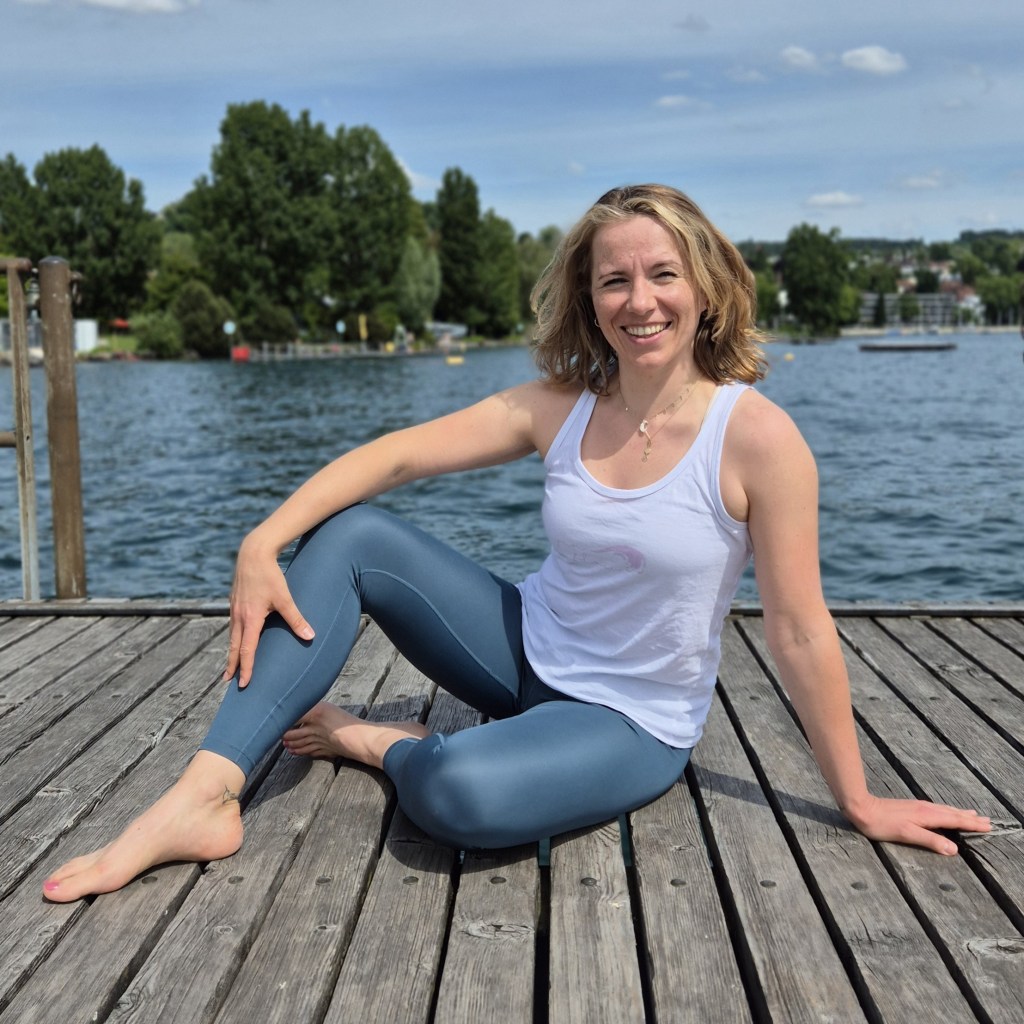
Meditation does not have to be practiced alone. If you would like guidance in creating a practice that supports your body and mind, I would love to welcome you to one of my yoga classes or work with you in a personalised 1:1 session. Explore my offerings HERE and contact me directly.





Leave a Reply