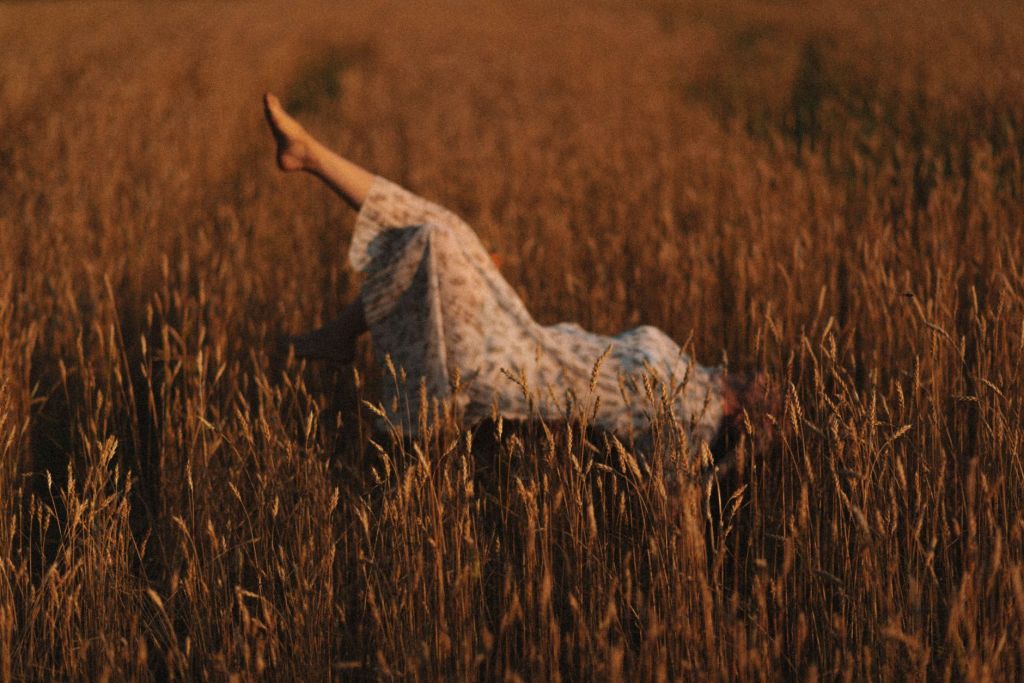
This is the third and final post of the Late Summer Trilogy, completing our exploration of late summer through philosophy → practice → lifestyle & ritual. In the first article, we explored the deeper meaning of late summer through the lens of yoga philosophy and Traditional Chinese Medicine. In the second, we looked at how movement and yoga practice can support us during this season of integration and grounding. And now we arrive at the final piece: how to actually live late summer.
During late summer days are still warm, the gardens are abundant and nature appears full, yet something subtle begins to shift. Growth slows down, fruits are fully ripen and energy gathers rather than expands. This season is reminding us that life is also about absorbing, integrating and nourishing what has already been created. In many ways, late summer invites us to come back to ourselves by creating a little more stability, rhythm and presence within it. This is where ritual becomes meaningful as a way of returning to what truly supports us.
Returning to the rhythm of late summer
In yoga, balance is not something we achieve once and then hold onto forever, but an ongoing conversation with the changing conditions of life. While summer is associated with the peak of yang energy – activity, expression and outward engagement – late summer introduces a different quality. In Traditional Chinese Medicine, this period is governed by the Earth element, which represents nourishment, stability, support and integration. After months of growth and expansion, there is no urgency anymore, but fullness, maturity and a sense of enoughness. We may begin to feel this within ourselves as well: the body wants more regularity, the nervous system seeks steadiness and the mind benefits from a slower pace. Rituals help us support this transition by creating small moments of grounding throughout the day, becoming anchors that help us stay connected to ourselves while life continues to move around us.
Beginning the day with grounding
One of the simplest late summer rituals begins in the first moments after waking (before checking messages, making plans or mentally stepping into the day): take a few moments to simply notice that you are here, feeling the weight of your body against the bed, noticing your breath moving in and out and sensing the support beneath you. Late summer invites another quality into the life: slower arrival. There is no need to immediately activate or motivate yourself, but rather to begin from a place of connection. So you might open a window, step outside for a few moments or simply sit quietly with your tea or coffee, allowing the body to orient itself before the mind takes over. From the perspective of the Earth element, this simple act of arriving in the body creates a sense of support and stability that can influence the entire day.
Nourishing yourself through food and presence
Late summer holds a special relationship with nourishment. In Traditional Chinese Medicine, the Earth element is associated with the spleen and stomach, which are responsible for transforming food into energy and supporting the body’s overall sense of stability. For this reason, the season naturally remind us to pay closer attention to how we nourish ourselves. This is often a time when the body responds well to simple, grounding foods like seasonal vegetables, grains, warm cooked meals. Also regular eating patterns can feel more supportive than extremes or irregular habits, plus slowing down enough to actually experience our meals, the flavours, textures and the feeling of being nourished. It’s good to try to eat without rushing or multitasking whenever possible. Even one meal each day enjoyed with full attention can become a powerful ritual of grounding, because when we slow down enough to receive nourishment, the body often responds with greater clarity, steadiness and ease throughout the day.
Creating space for integration
Just as the body digests food, we also digest experiences, emotions, decisions and interactions. Without space, this process becomes more difficult and we may begin to feel mentally cluttered, emotionally overwhelmed or strangely tired without understanding why. This is why one of the most valuable late summer rituals is creating small pauses throughout the day. These pauses do not need to be long. They might be a few conscious breaths between meetings, a short walk without distractions, a moment of sitting quietly before moving on to the next task or simply asking yourself: “What am I currently processing?”. These small moments create room for integration and allow life to settle rather than constantly accumulate.
Finding stability in simple routines
Unlike the highly active energy of summer, late summer often benefits from consistency with supportive rhythms that help the nervous system feel safe and regulated. It might be waking up at a similar time, eating meals regularly, taking breaks throughout the day and creating a gentle evening routine as a form of self-care. These simple habits may not seem particularly exciting, but they create something incredibly valuable: stability. The Earth element thrives on reliability. When life feels predictable in small ways, the body can relax, so the energy becomes less scattered and attention becomes easier to sustain. And over time, these small routines become foundations that support us through periods of change and transition.
Grounding through the senses
Late summer is a wonderful season for reconnecting with the body through sensory experience: the warmth of the sun, the smell of ripe fruit, the feeling of grass beneath bare feet or the taste of seasonal food can all become pathways back into presence. The Earth element is deeply connected to the physical world, reminding us that grounding happens through sensing more. So you might want to notice the feeling of your feet touching the ground during a walk, pausing long enough to truly taste your food or spend a few moments sitting outside and feeling the warmth of the air on your skin. These experiences may seem ordinary, yet they have a powerful effect on the nervous system as they bring awareness out of constant mental activity back into direct experience. And often, this is exactly where a sense of calm begins.
From overthinking to embodiment
Emotionally, late summer is often associated with reflection and thoughtfulness. When balanced, this can bring clarity, wisdom and a deeper understanding of our experiences, however when out of balance, it may show up as overthinking, worry or mental looping. Many of us respond to uncertainty by trying to think our way through it, yet the Earth element reminds us that true stability is rarely found in endless analysis but by returning to the body. A simple ritual during this season might be pausing whenever you notice yourself caught in repetitive thinking and bringing attention to your breath, your posture or the sensations in your body, trying to reconnect with the present moment. Because while the mind often searches for certainty in the future, the body always exists in the now.
Rest as a form of nourishment
Late summer also invites us to reconsider our relationship with rest. In a culture that often treats rest as something we earn after productivity, in this season it is part of nourishment. Short pauses during the day, slower evenings, moments of doing nothing and allowing yourself time to simply be are not wasted time, but essential moments of integration. They help the nervous system process experience, support emotional balance and replenish energy before depletion occurs. In this way, rest becomes an active part of living well rather than something reserved for exhaustion.
The wisdom of enough
And perhaps the deepest lesson of late summer is the idea of enoughness. After the outward energy of spring and summer, there can be a tendency to keep seeking more: more experiences, more achievements, more stimulation, more plans. Yet at this point in the seasonal cycle, growth has already happened and the focus shifts toward appreciating, harvesting and integrating what is already present. Late summer gently invites us to reflect on: what if I already have enough? What if I already am enough? What if this moment does not need anything added to it in order to be complete? This is not about settling or giving up on growth, but recognising fullness before rushing toward the next thing. And often, this recognition brings a deep sense of gratitude and peace with it.
Living the season
To live in alignment with late summer is to cultivate a relationship with nourishment, stability and presence, to support the body with rhythm, to create space for integration and to allow yourself to slow down enough to actually receive what life is offering. Late summer shows us that not every season is about expansion. Some seasons are about gathering what has already grown, returning to centre, creating conditions where body, mind and heart can settle into a deeper sense of support. And perhaps this is the invitation of late summer: to stop searching for what is next, at least for a moment, and to notice what is already here. So as you move through this season, take a moment to check in with yourself. What truly nourishes you right now? Where in your life do you feel grounded and where do you need more support? What helps you slow down enough to integrate your experiences? And what would it feel like to trust that, for this moment, what is already here might be enough?
If you feel like exploring these questions through movement, breath and mindful practice, you are warmly welcome to join me on the mat. Just in case: you can check my schedule here.







Leave a Reply