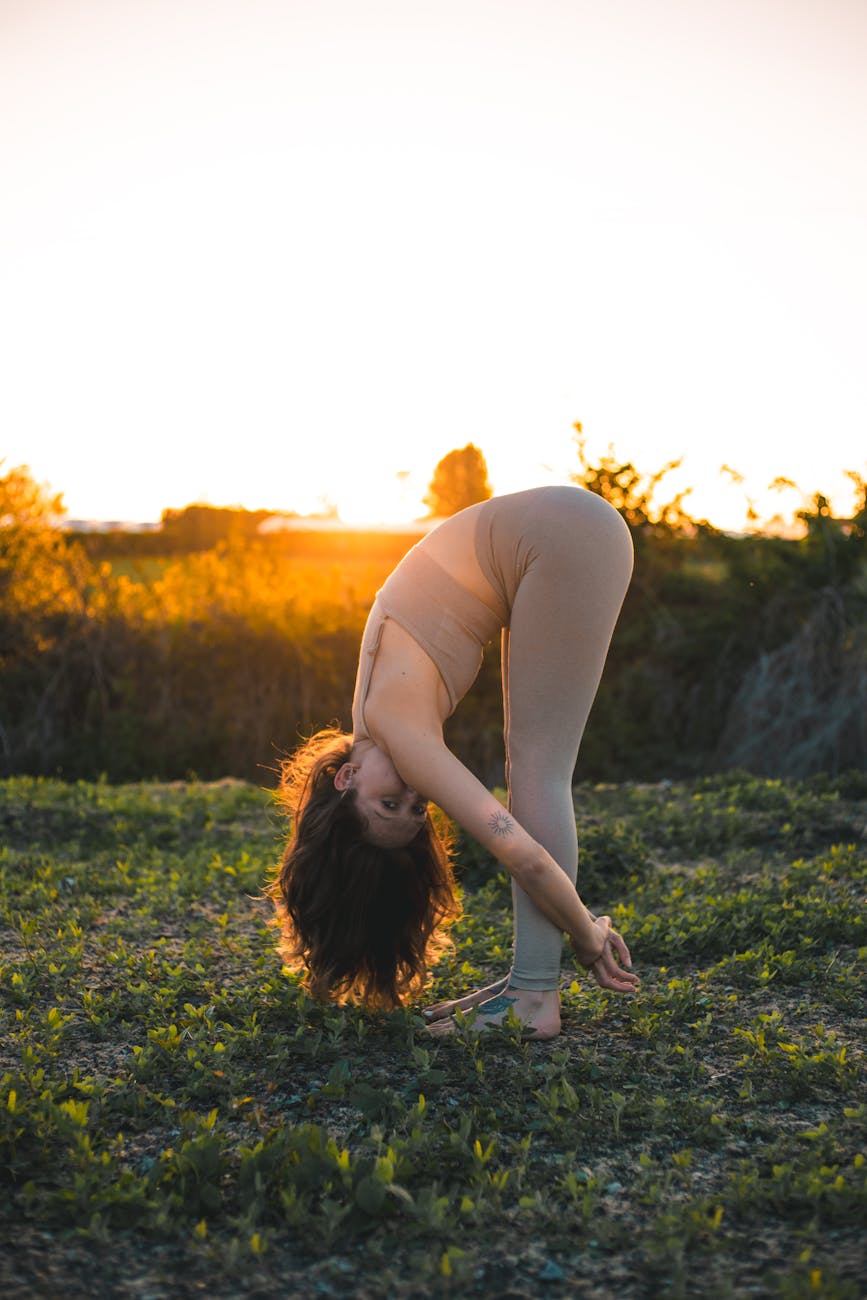
A seasonally aligned approach to movement, stability and integration
If you have already read my previous post Coming Home to Center: Yoga Philosophy and the Energy of Late Summer, then you already know that late summer occupies a unique place within the seasonal cycle. Unlike spring, which invites growth or summer, which encourages expression and expansion, late summer asks something different from us: it invites us to gather, integrate and return to our center.
Nature reflects this beautifully. The fields are full, fruits have ripened and the intensity of summer begins to soften. Growth is no longer the focus and instead, there is a sense of settling into what has already been created. The same shift can often be felt within the body. After months of movement, travel, social activities and outward engagement, many people begin to crave more grounding, more simplicity and more stability. There is a need for a different relationship with energy, where the body wants more support than expansion. And this is where yoga becomes particularly meaningful during late summer: the practice becomes a way of organizing, integrating and nourishing the energy that is already present.
Honouring the season of integration
Modern movement culture often encourages us to maintain momentum, so once we find a rhythm, we are encouraged to keep pushing, progressing and building. However, nature follows a different intelligence, where every period of growth is followed by a period of integration. Late summer represents exactly this phase: beeing the bridge between the expansive energy of summer and the inward movement that will gradually emerge during autumn. The body begins to shift its priorities. Instead of seeking intensity, it often responds better to steadiness and instead of stimulation, it benefits from regulation. Yoga shows us that movement does not always need to create more, but sometimes it serves a different purpose: helping us absorb, process and integrate what we have already experienced. This seasonal perspective allows practice to become less about performance and more about relationship. Rather than asking ourselves how much we can do, we begin asking what would feel supportive today.
The energy of late summer: grounding and nourishment
In Traditional Chinese Medicine, late summer is governed by the Earth element. Earth represents stability, nourishment and the ability to feel centered within ourselves. Unlike the upward movement of spring or the outward expansion of summer, Earth energy moves toward the center. The Earth element is associated with the spleen and stomach meridians. While these organs are often linked to digestion, their role extends beyond food alone. They are also connected to our capacity to process experiences, emotions and the countless impressions we absorb throughout daily life. When Earth energy is balanced, we often feel grounded, clear and supported, so there is a sense of steadiness in both body and mind. But when this energy becomes depleted, we may notice mental overthinking, emotional heaviness, fatigue, brain fog or a feeling of being scattered. This is why movement during late summer becomes less about intensity and more about creating internal organization, when the aim is to help the body return to a state of balance.
Hatha yoga: cultivating stability from within
As the season shifts, Hatha yoga offers an opportunity to reconnect with the body’s foundation. Rather than focusing on expansive backbends or strong energetic flows, late summer practice benefits from postures that develop grounding, alignment and inner support. Standing poses become particularly valuable during this season because they help us establish a clear relationship with gravity. The feet connect to the earth, the legs create stability and the spine organizes itself around a strong center. The goal is to feel even more connected with ourselves while moving. The qualities of a late summer Hatha practice include:
- Slow and conscious movement
- Stable standing postures
- Awareness of the body’s center
- Breath-led transitions
- Effort balanced with ease
Key Hatha yoga poses for late summer
Mountain Pose (Tadasana)
Often overlooked because of its simplicity, Tadasana becomes one of the most relevant postures of the season. It teaches grounding, alignment and presence, because standing with awareness allows the body to reorganize around its natural center.
Warrior II (Virabhadrasana II)
This posture creates stability through the legs while maintaining spaciousness through the upper body. It encourages strength without tension and focus without force.
Goddess Pose (Utkata Konasana)
Grounding and energizing at the same time, Goddess Pose helps build connection to the lower body while supporting a sense of rooted strength.
Tree Pose (Vrksasana)
Tree Pose beautifully reflects the qualities of the Earth element. It requires balance, focus and a steady relationship with the ground beneath us.
Gentle Twists
Twisting postures support digestion, circulation and energetic transformation. They help create a sense of internal organization while encouraging release where it is needed.
Yin yoga: creating space for integration
While Hatha yoga develops stability through active awareness, Yin yoga offers another important quality during late summer: integration. This season often carries a subtle accumulation of experiences. The body has been moving through months of activity, social connection and stimulation and so Yin practice provides an opportunity to slow down and allow everything to settle. Longer holds, fewer transitions and a softer pace encourage the nervous system to shift into a more restorative state. Instead of creating more movement, Yin allows us to feel what is already present and this process is deeply supportive of the Earth element because integration requires space.
Key Yin poses for late summer
Child’s Pose (Balasana)
A deeply grounding posture that encourages surrender and support. It offers a physical reminder that rest can be restorative rather than passive.
Reclined Butterfly (Supta Baddha Konasana)
This shape invites softness through the hips, abdomen and chest while supporting relaxation of the nervous system.
Supported Bridge
When held gently with support, Bridge Pose creates spaciousness through the front body while maintaining a strong sense of grounding.
Caterpillar Pose
A forward fold that encourages introspection and settling. It helps direct awareness inward while calming mental activity.
Reclined Twist
A simple posture that supports digestion, release and integration while encouraging the body to soften into gravity.
The role of breath
Breathwork becomes especially valuable during late summer because it helps bridge the gap between activity and rest. Unlike the cooling pranayama practices often emphasized during summer, late summer benefits from breathing techniques that create steadiness and presence eg. slow diaphragmatic breathing encourages awareness of the lower ribs and abdomen, drawing attention toward the body’s center, plus a longer exhale can help regulate the nervous system, while a steady rhythm of breathing supports mental clarity and emotional balance. The breath becomes an anchor and a way of returning to the present moment whenever the mind becomes scattered or overstimulated.
Movement as nourishment
One of the most important shifts during late summer is the understanding that movement can be nourishing. Many people approach exercise primarily as output, where there is something to accomplish, complete or improve. Yet seasonal yoga invites a different perspective on the movement that can also restore, regulate the nervous system, improve energy flow and create a deeper relationship with the body. It can become a form of care rather than a form of performance. When movement is approached with awareness, even simple practices can feel deeply replenishing.
Returning to your center
As late summer unfolds, you may notice that your body begins asking for different things. Perhaps you crave slower mornings, more regular routines or movement that feels grounding rather than stimulating. Instead of resisting these shifts, yoga encourages us to listen and to trust that the body understands the season just as nature does. Because the purpose of late summer practice is not to maximize energy, but to organize it, cultivate stability and to return to the center from which everything else grows. And perhaps this is the greatest lesson of late summer: strength does not always come from expansion, but from feeling deeply rooted exactly where you are.
If you feel like exploring the energy of late summer through movement, breath and mindful practice, you are warmly welcome to join me in class. You can find my current schedule via the link HERE.




Leave a Reply