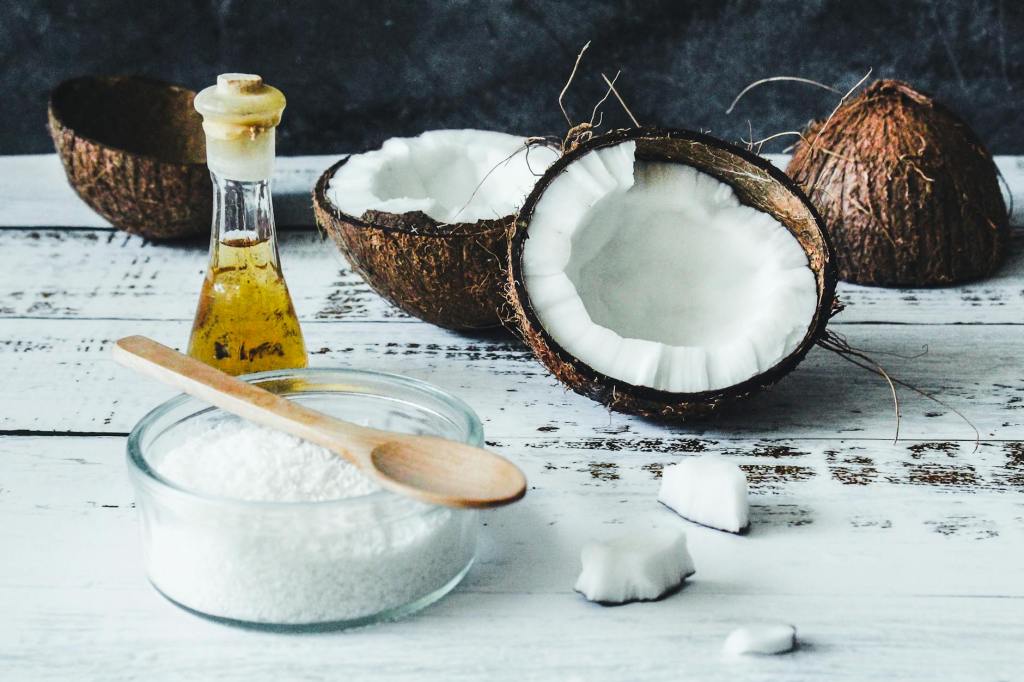
Gandusha, commonly known as oil pulling, is a traditional Ayurvedic daily practice (Dinacharya) that has been used for thousands of years to support oral hygiene, detoxification and overall well-being. This ancient ritual is mentioned in classical Ayurvedic texts such as the Charaka Samhita, where its cleansing and strengthening effects on the mouth are described in detail. Today, it is still practiced around the world as a simple yet powerful morning ritual that supports both oral health and a refreshing start to the day.
I personally find oil pulling deeply grounding. After practicing it regularly, the mouth feels noticeably cleaner, teeth smoother and the breath fresher – as if the body has gently reset overnight.
Why is oil pulling so valuable?
From an Ayurvedic perspective, nighttime is a deeply restorative and active phase for the body. While we sleep, the body is not simply resting, but also repairing tissues, processing metabolic waste and restoring balance at a cellular level. During this internal work, substances known in Ayurveda as Ama (metabolic residues or toxins) can accumulate. The body naturally eliminates waste through the skin, urine, breath and also through the oral cavity. However, during the night, saliva production decreases significantly. Saliva plays an important protective role: it helps wash away bacteria and maintain oral balance. With less saliva present, bacteria, debris and metabolic byproducts can accumulate in the mouth by morning. This is where oil pulling becomes a powerful morning ally. While Ayurveda explains the benefits of oil pulling through the concept of Ama, modern research focuses primarily on its role in oral hygiene. Several studies suggest that regular oil pulling may help reduce plaque accumulation, improve gum health and decrease the number of harmful bacteria in the mouth when practiced alongside regular brushing and flossing. Although more research is still needed, it offers an interesting example of where traditional wisdom and modern science begin to overlap.
How oil pulling works (according to Ayurvedic understanding)
Oil pulling is traditionally believed to activate natural enzymatic processes in the mouth that help bind and remove impurities. The oil acts like a gentle cleanser, interacting with bacteria, plaque, and residues in the oral cavity. Many practitioners report that regular oil pulling may:
- Reduce plaque buildup on teeth
- Support healthier gums
- Help reduce inflammation in the mouth
- Improve breath freshness
- Strengthen and tone the oral tissues
Beyond its physical effects, oil pulling is also seen as a nourishing practice for the mucous membranes, helping keep them supple, balanced and more resilient against irritants. But perhaps most importantly, it is a practice that requires presence and time, becoming a quiet morning ritual that slows you down and brings awareness into the body before the day begins. In a world where many of us begin the day by reaching for our phones, this small ritual offers something different: a few quiet minutes spent simply being with yourself before the outside world asks for your attention.
How to practice Gandusha (Oil Pulling)
The practice is simple, but intention and consistency are key.
1. Choose your oil
Use a cold-pressed, unrefined, organic oil. Traditionally, sesame oil is most commonly used in Ayurveda due to its warming and nourishing properties. Coconut oil is also widely used today for its fresh taste and its antimicrobial qualities.
2. Morning preparation
The best time is first thing in the morning, on an empty stomach, before eating or drinking anything. Many people also start with tongue scraping (to remove overnight buildup on the tongue) and/or a glass of warm water to awaken digestion.
3. Oil pulling practice
- Take about 1 teaspoon of oil into your mouth
- Slowly begin to swish it around, similar to using a mouthwash
- Gently push and pull it through your teeth and between the gaps
- Keep the movement steady but not forceful
As you continue, you may notice the oil gradually increasing in volume as it mixes with saliva. You can integrate this practice into your morning routine – while showering, washing your face, or preparing for the day.
4. Duration
Practice for 5–15 minutes, depending on comfort and experience.
Beginners may start with a shorter duration and gradually extend it as they become accustomed to the sensation.
5. Spit and finish
When finished, spit the oil into a tissue or paper towel and dispose of it in the trash (avoid rinsing it into the sink, as it can solidify). The oil will typically appear slightly milky or cloudy, thinner or more fluid than before and sometimes yellowish or opaque. This change in texture is traditionally seen as a sign that the oil has mixed with oral residues.
6. Rinse and continue oral care
Afterward, rinse your mouth thoroughly with warm water. You may also brush your teeth as usual to complete your oral hygiene routine. If you experience jaw discomfort, have difficulty swishing for several minutes or have specific oral health concerns, it is worth speaking with your dentist or healthcare professional before introducing oil pulling into your routine.
A simple ritual with deeper impact
What makes Gandusha special is not only its physical effects, but its ritual quality. It is a small act of self-care that creates space in the morning – a nice pause before stimulation, noise and activity begin. It invites you to start the day with: awareness instead of rushing and presence instead of distraction. Over time, this simple practice can become more than oral care – it becomes a grounding moment of stillness that supports both body and mind.
We often think that improving our health requires dramatic changes. Yet many traditional practices remind us that well-being is often built through small, consistent rituals repeated over time. Whether you decide to introduce oil pulling into your own mornings or not, perhaps the greatest lesson of Gandusha is the reminder to begin the day with intention. Before the emails, conversations and endless to-do lists, there is an opportunity to pause, care for yourself and simply arrive in the present moment. Sometimes the smallest rituals become the strongest foundations.







Leave a Reply